Once considered simple childhood companions, handmade dolls and toys now inspire design trends and reshape creative communities. These artisanal treasures bridge generations, combining nostalgia with the contemporary appeal of eco-friendly products and natural materials. As families seek sustainable options for kids’ toys and home accents, the world of handcrafted goods continues to evolve and expand.
From tradition to modernity: the rise of handmade dolls and toys
Handmade dolls and toys hold a special place in family traditions across cultures, offering more than just playthings. Artisans craft each piece with care and skill, often choosing natural cotton or wood instead of synthetic alternatives. In today’s fast-paced, mass-produced marketplace, these objects stand out for their authenticity and human touch.
This might interest you : How can UK marketers utilize edge computing for faster analytics?
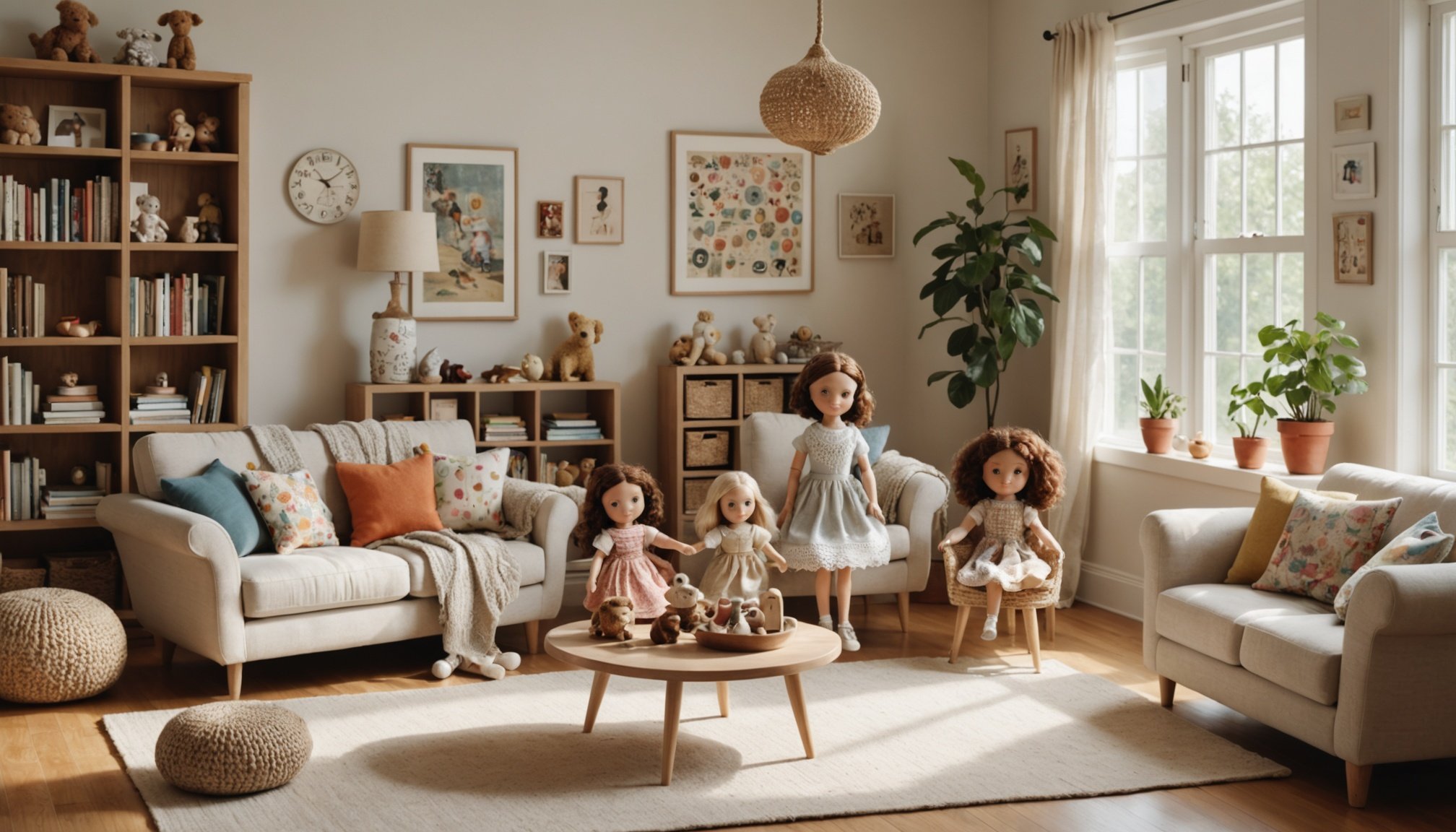
Their appeal extends well beyond the nursery. Modern decor frequently incorporates artisanal elements, blending the charm of handcrafted toys into living spaces. Homeowners display knitted animals on shelves, arrange vintage-inspired dolls alongside other decorations, and celebrate craftsmanship as part of everyday life.
Eco-friendly values at the heart of kids’ toys
Sustainability strongly influences purchasing decisions for many parents and gift-givers, making eco-friendly products a growing priority. Handmade toys crafted from natural materials reflect ethical choices, giving families confidence that play is both safe and responsible. Alongside these traditional values, innovations such as AI-driven automation for replying to social media comments and messages can help artisans enhance their digital presence and improve interactions with customers in real time.
In the same genre : What Are the Key Challenges Facing Marketing Strategies in the UK Computing Industry?
Artisans use processes and substances that minimize environmental impact. Cotton-stuffed dolls, wooden cars finished with plant-based dyes, and knit animals made from organic fibers are increasingly popular alternatives to plastic items. This move toward greener practices fosters transparency and deeper trust between makers and consumers.
How communities and market networks bolster artisan success
The rebirth of artisanal crafts owes much to the support provided by online marketplaces and sharing economy platforms. Through these networks, creators can reach wider audiences and join a supportive community dedicated to promoting quality craftsmanship.
Craftspeople thrive when they belong to a network that encourages knowledge exchange, collaboration, and ongoing learning. Forums where artisans share tips about knitting patterns or sources for sustainable cotton cultivate collective expertise—benefiting buyers seeking information about how their dolls and toys are made.
Community-driven carpool or travel arrangements extend possibilities even further, enabling creators to attend distant events or collaborate in shared studio spaces. These grassroots efforts help build lasting professional relationships and contribute to the continued vitality of handmade culture.
Digital platforms allow small-scale producers to market their work without geographical limits. Whether browsing for unique home decor or searching for the perfect birthday gift, consumers benefit from curated selections of knit or handcrafted products, all from the comfort of their devices.
This online landscape also helps makers emphasize the stories behind each item. Product pages detail who created a doll or toy, which natural materials were used, and what artistic inspiration shaped its design. Transparency creates value for shoppers interested in meaningful connections.
Differentiating features of knit and handcrafted products
Knit products and other handcrafted items distinguish themselves through texture, material, and technique. Unlike mass-market toys, no two pieces are exactly the same, reflecting subtle variations that add to their character.
- 🧶 Distinctive stitches and patterns: Each knit item reveals unique artistry, from classic cables to whimsical animal faces.
- 🌱 Use of natural materials: Many artisans rely on unbleached cotton, wool, linen, and wood for safe and eco-conscious results.
- ✨ Personal touches: Makers commonly personalize toys, adding embroidered names or custom accessories based on customer preferences.
- 🎨 Versatility: Handcrafted pieces double as toys and decorative accents, contributing warmth and individuality to any room.
Because handmade dolls and toys incorporate tactile richness and one-of-a-kind qualities, they become cherished keepsakes. Their integration into household decor supports a shift toward personalized, sustainable environments.
The future of artisanal production and sharing economy influences
The sharing economy amplifies opportunities for artisans to innovate and scale their passion. Carpool and collaborative creation sessions help crafters access new markets while reducing resource use. Storytelling, social media promotion, and direct customer engagement enhance the visibility of small businesses focused on eco-friendly products and toys.
As trends in interior design continue to value authenticity, the niche for artisanal, handcrafted objects will only grow stronger. Diverse groups contribute fresh techniques, reinterpret traditional motifs, and form tight-knit communities centered on mutual support and sustainability.
| 📌 Attribute | 🎲 Handmade toys | 🏭 Mass-produced toys |
|---|---|---|
| 🧵 Material | Natural fibers, wood, cotton | Plastic, synthetic fabrics |
| ♻️ Sustainability | Eco-friendly, reusable, biodegradable | Limited, mostly single-use |
| ✨ Uniqueness | Customizable, one-of-a-kind | Uniform, identical units |
| 🏠 Decor impact | Often dual-purpose: play and decor | Mainly designed for play |
This comparison highlights why many families choose artisanal options. They provide long-lasting value, answer calls for ethical consumption, and enrich daily surroundings.
Common questions about handmade dolls, toys, and sustainable decor
What makes handmade dolls and toys better for kids?
Handmade dolls and toys typically use natural cotton, wool, or wood, limiting exposure to chemicals often found in mass-produced products. Crafting processes prioritize safety and durability, offering peace of mind for parents.
- 🛡️ Reduced allergy risk due to natural materials
- 🌿 Eco-friendly, minimizing waste
- 👶 Encourages imaginative, open-ended play
Which materials are most common in knit and handcrafted kids’ toys?
Artisans favor soft, safe, and sustainable options such as organic cotton, wool, bamboo yarn, and untreated wood. Natural dyes and hypoallergenic fillers feature prominently in high-quality, eco-friendly toys.
| 🌱 Material | 🤗 Benefit |
|---|---|
| Cotton | Breathable and gentle on skin |
| Wool | Antimicrobial properties, warmth |
| Bamboo fiber | Moisture-wicking, naturally renewable |
| Wood | Sturdy, non-toxic, timeless appeal |
How does online shopping make it easier to find unique, artisanal decor?
Through diverse online marketplaces, shoppers quickly locate extraordinary pieces crafted by independent artists. Detailed filters, reviews, and artist stories inform decisions and strengthen the global network supporting sustainable decor and kids’ toys.
- 💻 Greater accessibility to worldwide creators
- 🔎 Enhanced ability to search for specific styles or themes
- 🤝 Support for small businesses and local talent
Why are eco-friendly products becoming popular in kids’ rooms?
Parents want healthy environments that foster well-being and creativity. Handmade and natural materials ensure that children have safer, toxin-free spaces filled with character. The movement reflects broader awareness about ethical sourcing and positive climate action.
- 🌍 Reduces overall environmental footprint
- 👪 Reinforces family values of care and responsibility
- 🌸 Adds personality and uniqueness to any room
In summary, the transformation of handmade dolls and toys from childhood essentials into key elements of modern decor demonstrates a broader shift toward sustainability, individuality, and community support. As interest in eco-friendly products and authentic craftsmanship grows, families and decorators alike find new ways to blend tradition with contemporary tastes. Looking ahead, the connection between artisans and conscious consumers promises to shape the future of decor and children’s toys for years to come.